Discover Fishing Across Pakistan
Pakistan has a diverse aquatic geography encompassing glacial mountain streams, high-altitude alpine lakes, major river systems, freshwater reservoirs, wetlands, and a long coastline along the Arabian Sea. These varied habitats support a wide range of recreational angling, sport fishing, and traditional fishing experiences.
Northern Pakistan is widely recognised among anglers for cold-water trout fishing in crystal-clear rivers and alpine lakes. Regions such as Gilgit-Baltistan (including Skardu, Khaplu, Ghizer, and Astore), Chitral, Swat, Kaghan Valley, and Neelum Valley offer scenic settings populated by Brown Trout, Rainbow Trout, and native Snow Trout.
In the foothills, plains, and southern waters, visitors can target prized sport fish like the Golden Mahseer alongside native freshwater species such as Rohu, Catla, Carp, and Catfish. Meanwhile, the Arabian Sea coast near Karachi and Balochistan offers deep-sea and coastal game fishing.
Fishing experiences in Pakistan range from casual shoreline bait fishing and trout-pond angling to fly-fishing in mountain streams and organised deep-sea charters. Available opportunities depend on local fisheries regulations, seasonal breeding closures, licensing requirements, and environmental conditions.
Adventure Touristik helps travellers discover angling destinations, arrange permits, and connect with local guides as part of their journeys across Pakistan.
What Is Angling & Recreational Fishing?
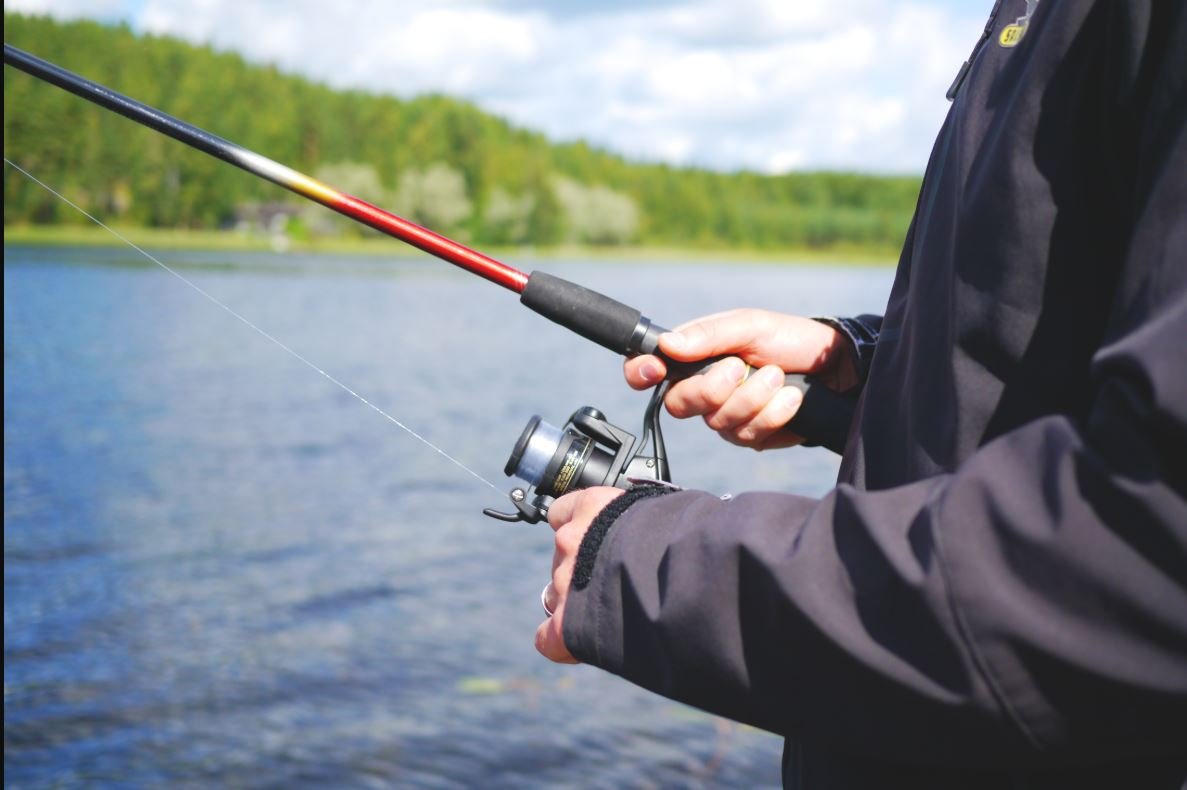
Recreational fishing—often referred to as angling when using a rod, reel, line, and hook—involves catching fish for sport, relaxation, or personal consumption rather than commercial harvesting.
Different water environments in Pakistan require distinct fishing techniques. Fast-flowing mountain rivers are suited to fly-fishing and light spinning tackle, whereas deep reservoirs and coastal waters call for bottom fishing, trolling, or heavy offshore gear.
Responsible fishing in Pakistan involves adhering to provincial fisheries ordinances, respecting seasonal breeding bans, avoiding protected species, and practising catch-and-release for sensitive game fish such as the Golden Mahseer.
Fishing in Northern Pakistan
Northern Pakistan is one of the premier destinations in South Asia for freshwater trout angling. Fed by glaciers and snowmelt, the rivers and lakes of Gilgit-Baltistan, Khyber Pakhtunkhwa, and Azad Kashmir provide clean, oxygenated waters ideal for cold-water species.
Mountain weather, water clarity from glacial melt, seasonal closures, and local licensing rules directly influence fishing success. Visitors should verify local permit requirements before casting a line.
1. Fishing in Skardu & Deosai – Sadpara Lake, Indus River & Sheosar Lake
Skardu and the surrounding Baltistan region offer varied angling environments ranging from riverbanks to high-altitude plateaus.
Sadpara Lake, located just south of Skardu, is a well-known freshwater destination associated with recreational boating and Brown Trout fishing. The Government of Gilgit-Baltistan Tourism Department recognises angling and boating among the primary recreational activities at the lake.
For experienced anglers, the Indus River around Skardu holds populations of Snow Trout and Golden Mahseer during spring and autumn. During summer, the streams and lakes of the Deosai Plains—including Sheosar Lake at over 13,000 feet—offer high-altitude Snow Trout fishing.
Anglers should obtain regional fishing permits in Skardu and verify seasonal access before travelling to high-altitude spots.
2. Fishing in Khaplu & Saling Valley – Shyok River & Trout Farms
Ghanche District, centred around the historic town of Khaplu, offers scenic river and spring-fed angling along the Shyok River basin.
As the Shyok River winds past Khaplu, its calmer side channels, tributaries, and confluence zones hold native Snow Trout as well as Brown and Rainbow Trout—particularly in spring and autumn when glacial silt subsides and water clarity improves.
Across the Shyok River from Khaplu lies Saling Valley (also spelled Sailing), a lush riverside settlement famous for its crystal-clear spring-fed waters and dedicated trout fish farms (such as Saling Fish Point). Visitors can enjoy accessible rod-and-line pond angling at local trout farms surrounded by green meadows and Karakoram peaks, followed by freshly prepared trout meals.
Anglers casting in the open Shyok River must hold a valid Gilgit-Baltistan Fisheries Department licence and observe seasonal spawning closures (typically October to March), whereas private trout farms in Saling operate under local on-site arrangements.
3. Trout Fishing in Ghizer – Phander Lake & Ghizer River
Ghizer District is regarded as one of the finest trout fishing regions in Gilgit-Baltistan. Its network of clear rivers, streams, and lakes supports healthy populations of both Brown Trout and Rainbow Trout.
Phander Lake and the winding river channels of Phander Valley provide calm, scenic waters well suited to fly-fishing and spinning. Nearby Khalti Lake and the stretches along the Ghizer River near Gupis and Yasin also attract visiting anglers.
Fishing permits are regulated by the Gilgit-Baltistan Fisheries Department, and visitors should confirm bag limits and seasonal rules locally.
4. Fishing in Astore & Naltar Valley
Astore District and Naltar Valley offer quiet alpine settings for cold-water angling.
Rama Lake in Astore is stocked with Rainbow Trout and surrounded by pine forests and views of Nanga Parbat. Similarly, the clear mountain streams flowing through Naltar Valley near Gilgit hold Brown and Rainbow Trout.
Because high-altitude access is seasonal, anglers should check road conditions, local permissions, and environmental guidelines prior to visiting.
5. Fishing in Kaghan & Naran – Kunhar River & Saif-ul-Malook
The Kunhar River flowing through Kaghan and Naran Valley in Khyber Pakhtunkhwa is one of Pakistan’s most accessible and established trout fishing destinations.
Famous for Brown and Rainbow Trout, the river features numerous pools and rapids suitable for fly-fishing and lure casting from spring through autumn. High-altitude Saif-ul-Malook Lake also holds trout, though extreme weather and terrain restrict access outside peak summer months.
Anglers must acquire a fishing licence from the Khyber Pakhtunkhwa Fisheries Department, which maintains hatcheries and checkpoints along the valley.
6. Fishing in Swat & Chitral Valleys
The Swat River in Khyber Pakhtunkhwa supports Brown Trout in its upper reaches around Kalam and Mahodand, while lower sections hold Mahseer and local river fish.
Further north, the Chitral River and tributary valleys such as Lutkoh and Garam Chashma are well known for cold-water trout streams. Both valleys require provincial angling permits and adherence to seasonal spawning closures.
7. Fishing in Neelum Valley, Azad Kashmir
Neelum Valley offers scenic river and stream fishing along the Neelum River and its tributaries, including Jagran Nullah.
Stocked with Brown and Rainbow Trout, the valley provides accessible angling spots from May through October. Visitors should confirm local permit procedures and restricted zones with Azad Jammu & Kashmir (AJK) fisheries authorities before fishing.
Fishing in Other Regions of Pakistan
Beyond the northern mountains, Pakistan’s major dams, river barrages, freshwater lakes, and coastal waters provide extensive fishing opportunities throughout the year.
8. Fishing at Tarbela & Khanpur Dams, Khyber Pakhtunkhwa
Tarbela Dam on the Indus River is one of the largest earth-filled reservoirs in the world and an important habitat for Golden Mahseer, Catfish, and Carp.
Nearby Khanpur Dam on the Haro River, located a short drive from Islamabad, also offers recreational shore and boat fishing in a scenic foothill setting. Visitors must obtain day permits from local authorities and observe safety rules near dam infrastructure.
9. Fishing at Rawal Lake, Islamabad
Rawal Lake serves as a convenient urban angling spot for residents and visitors in Islamabad.
The reservoir contains species such as Rohu, Carp, and Catfish. Recreational anglers must purchase a daily fishing permit from the designated fisheries office at the lake and fish only within authorised zones.
10. Fishing Around Mangla Dam, Azad Kashmir
Mangla Dam on the Jhelum River in Mirpur District is a well-known destination for sport anglers.
The vast reservoir supports Mahseer, Carp, Tilapia, and Catfish. Anglers can arrange boat-based or shoreline fishing through licensed local operators while respecting restricted dam security zones.
11. River & Barrage Fishing in Punjab
Punjab’s extensive network of rivers and irrigation headworks—including Head Marala on the Chenab, Head Balloki on the Ravi, Taunsa Barrage on the Indus, and Head Panjnad—provides abundant warm-water fishing.
Common catches include Rohu, Mori, Thaila (Catla), Mullee (Catfish), and Singhari. Sport fishing in Punjab is regulated by the Punjab Fisheries Department, which issues seasonal and daily angling licences for designated public waters.
12. Freshwater Lake Fishing in Sindh – Keenjhar & Manchar Lakes
Keenjhar Lake (Kalri Lake) and Haleji Lake in Thatta District, along with Manchar Lake in Jamshoro/Dadu, are major freshwater ecosystems in Sindh.
These lakes support native carp, snakehead, tilapia, and catfish, alongside traditional boat-based fishing communities. Because parts of Keenjhar and Haleji are protected wetland and bird sanctuaries, visitors must verify permitted angling zones and respect conservation rules.
13. Deep-Sea & Coastal Fishing Along Pakistan’s Arabian Sea
Pakistan’s coastline along Karachi and Balochistan offers saltwater game fishing vastly different from inland rivers and lakes.
Popular offshore spots around Karachi—including Churna Island, Oyster Rocks, and the Indus Delta mangroves—yield Giant Trevally (GT), Cobia, Queenfish, Spanish Mackerel, Barracuda, Mangrove Snapper, and Grouper. Along the Balochistan coast near Gwadar and Kund Malir, anglers target Yellowfin Tuna and Kingfish.
Marine fishing is subject to seasonal monsoon breeding closures (typically June to August) and Marine Protected Area rules around islands like Astola and Churna. Visitors must book licensed charter boats equipped for open-sea navigation.
Types of Fishing & Angling Styles in Pakistan
Depending on the region and target species, anglers in Pakistan can engage in several styles of fishing:
-
Fly-Fishing & Spinning: Practised in the clear, fast-moving glacial rivers of Gilgit-Baltistan (including the Shyok and Ghizer rivers), Kaghan, Swat, and Neelum Valley for Brown and Rainbow Trout.
-
Spring-Fed Trout Farm Angling: Available at scenic rural spots like Saling Valley near Khaplu, allowing families and casual visitors to catch stocked trout in clear ponds.
-
Sport Catch-and-Release (Mahseer Angling): Conducted in foothill rivers and reservoirs such as the Indus, Jhelum, Tarbela, and Mangla, where conservation-minded anglers target the powerful Golden Mahseer.
-
Shoreline & Bait Fishing: Common at barrages, canals, and reservoirs across Punjab, Islamabad, and Sindh for Carp, Rohu, and Catfish.
-
Offshore Trolling, Popping & Jigging: Practised from chartered boats along the Karachi and Balochistan coastline for pelagic game fish.
The ideal season depends on the region:
-
Northern Trout Waters (GB, Khaplu/Shyok, Kaghan, Swat, AJK): April to early October, when rivers are accessible and snowmelt settles. Mid-October to early March is a closed season for trout spawning.
-
Plains & Reservoirs (Punjab, Islamabad, Sindh): October to April offers the most comfortable weather, though fishing continues year-round in many warm-water rivers.
-
Arabian Sea Coast (Karachi & Balochistan): September to May is best for deep-sea charters, as a marine fishing ban is enforced during the summer breeding/monsoon season (June to August).
Affiliated with & Licence