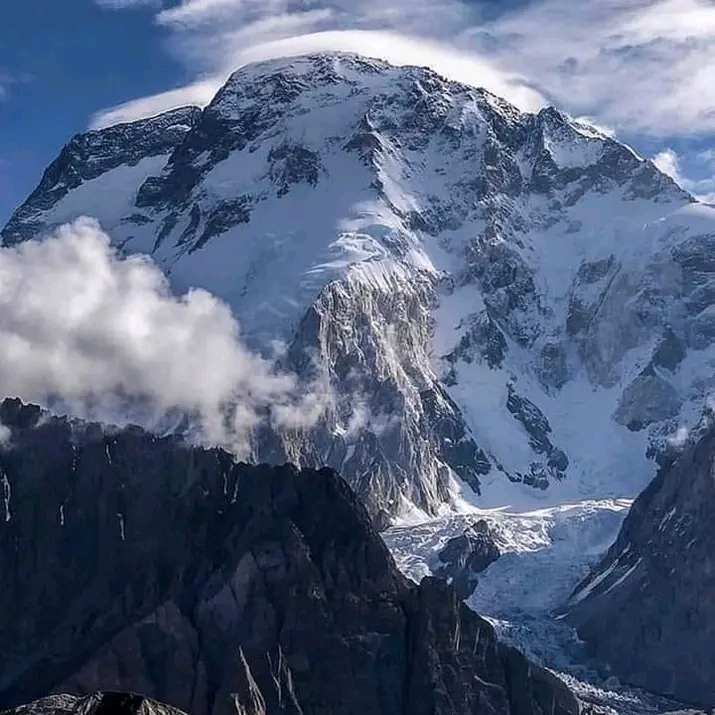
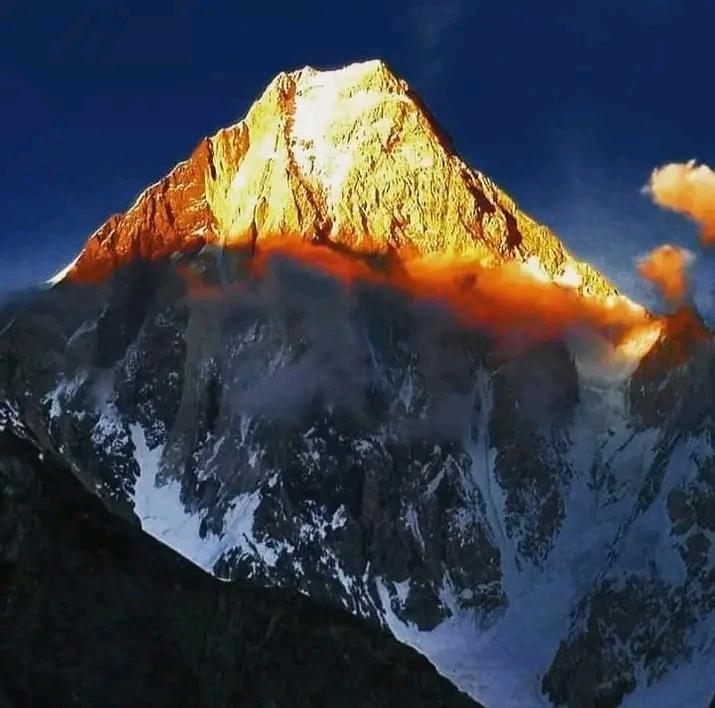
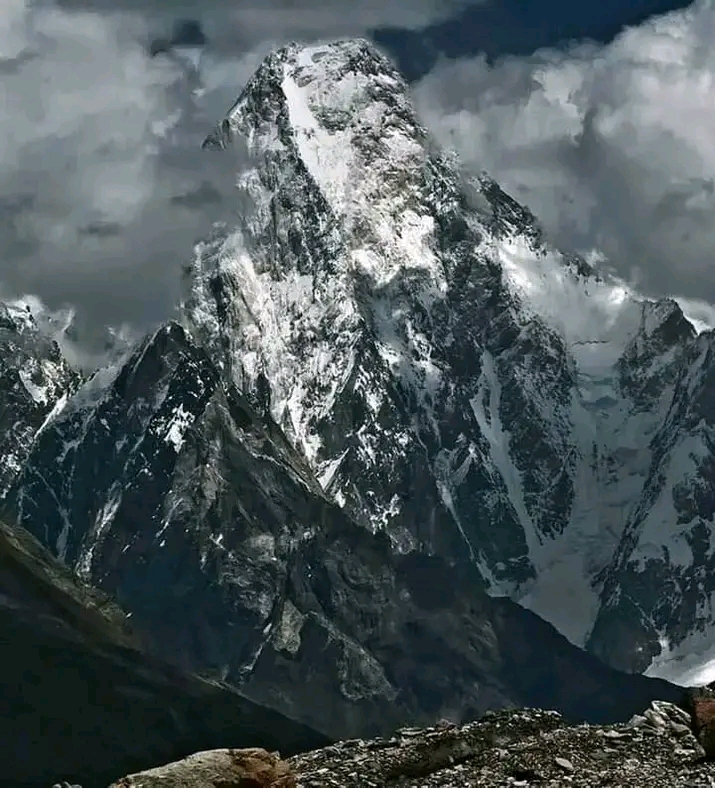
The Latok Group stands at the very apex of mountaineering ambition in the Karakoram — a collection of granite towers and mixed peaks in the Panmah Muztagh sub-range of the central Karakoram that has tested, defeated, and in rare cases rewarded the world’s finest alpinists across more than six decades of expedition history. Rising above the Choktoi glacier on the north and the Biafo glacier system on the south, the group occupies the heart of what the great explorer Eric Shipton famously described as the ‘Throne Room of the Mountain Gods’ — a designation that captures both the grandeur and the severity of the central Karakoram’s most concentrated assembly of imposing summits. The three principal peaks — Latok I (7,145 m), Latok II (7,108 m), and Latok III (6,949 m) — form a formidable wall of rock, ice, and mixed terrain above the Choktoi glacier, each offering routes of significant technical challenge that have demanded the full resources of the expedition alpinists who have attempted them. The approach to the group via Snow Lake (Lukpe Lawo) — one of the largest glaciated plateaux outside the polar regions — adds an additional dimension of commitment and beauty to an already extraordinary objective: teams reaching the Latok BC have already crossed one of the most remote and visually stunning landscapes in the Karakoram.
The Latok Group’s place in mountaineering history rests most profoundly on Latok I and the saga of its North Ridge. In 1978, a four-person American team — Jeff Lowe, Michael Kennedy, George Lowe, and Jim Donini — attempted the North Ridge in pure alpine style, climbing without fixed ropes or supplemental oxygen to within approximately 150 metres of the summit before being turned back by exhaustion and deteriorating weather. Their 6-day descent in storm conditions became one of the defining epics of modern alpinism, and the quality of their climbing — the standard of technical difficulty, the altitude reached, and the alpine-style commitment — was celebrated as a masterpiece of high-altitude mountaineering. For the next forty years, the North Ridge defeated every subsequent attempt. Teams that included some of the world’s most accomplished alpinists tried and failed: Jeff Lowe returned multiple times; other elite teams from Europe, North America, and Japan were turned back by weather, injury, or the sheer technical difficulty of the ridge. The siege finally ended in 2018 when a Russian team made the first complete ascent, but not without enormous cost — one team member died during the descent, and the sole survivor required helicopter rescue after six days alone on the mountain. The 2018 ascent closed one of mountaineering’s greatest chapters, but the aura of the Latok Group — its remoteness, its difficulty, and the weight of its history — remains undimmed.
Latok II and Latok III have their own distinguished histories. Latok II was first climbed by a Japanese expedition in 1977 via the Southeast Ridge — one year before the famous 1978 Latok I attempt — establishing it as the first of the group to be summited. Latok III followed in 1979 with an Italian first ascent via the South Ridge. Both peaks offer serious technical routes that demand a full spectrum of alpine and rock climbing skills, and both sit at altitudes (7,108 m and 6,949 m respectively) where the physiological demands of the expedition are as serious as the technical challenges on the mountain. For teams who have completed their preparation on the other peaks in this guide series and are seeking the ultimate Karakoram challenge, the Latok Group represents the pinnacle of Pakistan’s expedition landscape — a destination whose history, difficulty, and setting place it among the greatest mountaineering objectives in the world.
The following equipment lists cover all three Latok peaks — the most comprehensive gear specification in this guide series. The Latok Group uniquely demands both full rock climbing hardware (for Latok II and III’s granite sections and any rock-route variations on Latok I) and complete high-altitude alpine-mixed systems (for all three peaks above 6,000 m). This is the only objective in the guide series where both a full cammed rock protection rack and a full ice screw inventory are simultaneously required. No equipment category can be omitted; every item earns its haul weight on the Panmah Muztagh.
1. Personal Climbing Equipment & Clothing
| ITEM | QTY | NOTES |
| Rock Shoes (high-performance) | 2 pairs | Primary pair for free pitches on rock sections; backup pair; La Sportiva Solution or Scarpa Instinct |
| High-Altitude Mountaineering Boots (7,000 m+) | 1 pair | Double boots required for the snow, ice, and mixed sections above 6,000 m on all Latok peaks |
| Approach / Descent Shoes | 1 pair | Stiff-soled for BC, moraine travel, and mixed approach terrain |
| Climbing Harness (big-wall / alpine hybrid) | 1 | Padded gear loops for aid and rock sections; compatible with alpine crampon attachment; Petzl Sequoia or similar |
| Helmet (CE/UIAA certified, MIPS) | 1 | MANDATORY — rockfall and icefall constant on all Latok routes; no exceptions above BC |
| Belay Device (assisted-braking + tube) | 2 | Petzl Grigri for wall sections; Petzl Reverso/ATC for rappels and multi-pitch alpine belaying |
| Ascenders / Jumars (pair) | 1 pair | Fixed-rope jugging on lower wall and glacier approach fixed sections |
| Locking Carabiners (assorted) | 12–16 | HMS, oval, and D-shape screw-gate; generous supply for rock, ice, and mixed anchors |
| Non-locking Carabiners | 20–25 | High quantity for racking protection across rock and mixed terrain |
| Daisy Chains | 2 | For aid climbing sections and hanging belay positions on rock pitches |
| Aiders / Etriers (per climber) | 2 sets | Aid climbing on the rock sections of Latok II and III; less critical on Latok I’s alpine ridge |
| Fifi Hook | 2 | For quick clip-in on aid placements |
| Ice Axe (technical) | 2 | Two technical axes for the mixed alpine terrain above 5,500 m on all Latok peaks; Petzl Quark or BD Viper |
| Crampons (12-point technical) | 1 pair | Anti-balling plates; front-pointing on steep ice essential on all Latok routes above C1 |
| Chalk Bag & Chalk | Full supply | For rock sections; liquid chalk recommended in humid conditions |
| Crack Gloves / Fingerless Gloves | 1–2 pairs | Hand protection for rock crack sections; liner gloves for mixed alpine terrain |
| Sports Tape (1-inch rigid) | 8–10 rolls | Finger taping for rock crack sections; essential for the multi-week campaign |
| Headlamp + Lithium Batteries | 2 | Pre-dawn alpine starts from all high camps; mandatory above BC |
| Sunglasses / Goggles (Category 4) | 2 pairs | Intense Panmah glacier and Snow Lake UV; goggles essential in wind and storm above 5,000 m |
| Down Suit (7,500 m+ rated) | 1 | 850+ fill power; required for the upper mountain and summit push on all Latok peaks above 7,000 m |
| Hard Shell Jacket & Pants | 2 sets | Gore-Tex waterproof/windproof; Panmah weather system notoriously severe on exposed ridges |
| Softshell Jacket & Pants | 1 set | Mid-elevation climbing and camp use on the lower mountain and approach glacier |
| Mid-Layer Fleece / Down Jacket | 2 | Insulation at BC and Camps 1 & 2 |
| Base Layers (thermal, 3 sets) | 3 sets | Moisture-wicking merino or synthetic; rotate after each high-camp rotation |
| Warm Hat & Neck Gaiter & Balaclava | 1 each | Full cold-weather head system; Latok ridges above 6,500 m subject to extreme wind chill |
| Trekking Socks (wool/synthetic) | 6 pairs | Thick for altitude; thinner for the 6-day Biafo/Panmah approach trek |
| Camp Booties (insulated) | 1 pair | For inside tents at high camps above 6,000 m |
| Gaiters | 1 pair | Essential on glacier sections and steep snow/ice above Camp 1 |
2. Protection Rack — Rock & Ice Hardware
The following rack covers both the rock sections (Latok II Southeast Ridge, Latok III South Ridge rock pitches) and the ice/mixed sections (all peaks above Camp 1). This is the combined rock-and-alpine rack required for the full Latok Group spectrum. Adjust emphasis based on specific peak and route chosen.
| ITEM | QTY / SPEC | NOTES |
| Cams — Microcams (0.1–0.5 inch / BD C3) | 2–3 each size | Thin seam and fingertip crack protection on Latok II and III rock sections |
| Cams — Small-Medium (0.5–2 inch / BD C4) | 3–4 each size | Hand and fist cracks on rock sections of Latok II and III; the workhorse sizes |
| Cams — Large (2–4 inch) | 2–3 each size | Off-width and chimney sections on specific pitch systems |
| Nuts — Full Wired Set (sizes 1–13) | 2 full sets | BD Stopper or DMM Wallnut; double set for multi-day route length |
| Offset Nuts / Micronuts | 1 set | Thin crack sections where standard nuts bottom out on Latok granite |
| Hexentrics (sizes 4–10) | 1 set | Passive protection for constricting cracks on rock sections |
| Pitons — Knifeblade (Bugaboos) | 6–10 | Thin seam aid on rock sections of Latok II and III |
| Pitons — Lost Arrow | 4–6 | Medium crack aid and anchor building |
| Pitons — Angle Pitons (various) | 3–4 | Wide crack sections; also useful for snow and ice anchors in poor snow quality |
| Birdbeaks | 4–6 | Extremely thin seam aid; useful on blank sections of Latok II rock faces |
| Skyhooks | 4–6 | Hooking on granite edges and flakes between crack features |
| Copperheads (various sizes) | 4–6 | Aid on compressed seams on Latok II and III’s rock sections |
| Hammer (wall) | 1 | For piton and anchor placement on rock sections; also for ice axe clearing |
| Nut Tool | 2 (team) | For cleaning stuck protection across multi-day pitches |
| Ice Screws (17–22 cm) | 8–10 | Critical for all Latok routes above C1; Latok I’s North Ridge requires ice screw anchors throughout |
| Deadman / Snow Anchors | 4–6 | For snow anchor systems on all Latok routes; particularly critical on Latok I’s North Ridge |
| Snow Pickets / Stakes | 4–6 | Team shared; upper snow and ice anchor systems across all three Latok peaks |
| Slings (120 cm) | 10–12 | Runners for rock, mixed, and snow/ice terrain throughout the route systems |
| Slings (60 cm) | 10–12 | Short runners for direct clipping and anchor equalization |
| Cordelette (7 mm, 6–8 m) | 2 (team) | Anchor equalization on stance, hanging belay, and portaledge positions |
| Fixed Rope (7–8 mm, 200 m reels) | 3–4 reels (600–800 m total) | Route-fixing across the lower and mid-mountain on all Latok peaks |
| Tag Line (6–7 mm, 60 m) | 1 | For pitch fixing, hauling, and rope retrieval on traversing sections |
3. Camp, Wall & Bivouac Equipment
| ITEM | QTY / SPEC | NOTES |
| 4-Season Expedition Tent (alpine) | 2-person | Wind-rated 100+ km/h; semi-geodesic; Latok ridges above 6,000 m subject to extreme wind |
| Portaledge (2-person, full fly) | 1 | Black Diamond Cliff Cabana or equivalent; for the rock face sections of Latok II and III |
| Sleeping Bag (−40°C rated) | 1 | For the highest camps and summit push above 7,000 m on Latok I and II; 900 fill power |
| Sleeping Bag (−20°C rated) | 1 | For BC and Camps 1 & 2; also the primary system on Latok III |
| Sleeping Bag (−10°C rated) | 1 | For portaledge nights on rock sections of Latok II and III |
| Insulated Sleeping Pad (R-value 6+) | 2 | Maximum insulation for the extreme cold of high Latok camps; foam + inflatable |
| Expedition Backpack (75–85 L) | 1 | Load carrying across the multi-camp systems on all Latok peaks |
| Summit Pack (20–25 L) | 1 | Ultra-light summit day pack; target under 8 kg above 7,000 m |
| Haul Bags (large, 100 L) | 2 | For rock sections requiring hauling on Latok II and III portaledge phases |
| Expedition Duffel Bags | 3–4 | For porter loads across the 6-day approach |
| High-Altitude Stove (MSR Reactor) | 2 | Two stoves essential; Panmah weather makes single-stove reliance dangerous on extended high camps |
| Fuel Canisters (450 g) | 24–30 | Extended multi-camp system across 20+ days on the mountain; largest fuel requirement in this guide series |
| Insulated Cooking Pot & Mug | 1 set | Titanium; fluids freeze rapidly above 6,500 m on exposed Latok ridges |
| Headlamp + Spare Batteries (lithium) | 2 | Pre-dawn starts essential; lithium only above 6,000 m |
| Water Bottles (insulated wide-mouth, 1 L) | 2 | Nalgene; prevents freezing above 6,500 m |
| Water Purification Tablets / Filter | 1 | Lower camps; melt glacier ice above 5,000 m |
| High-Calorie Expedition Food | Full supply | Freeze-dried meals, nuts, bars, gels; ~4,500 kcal/day above 7,000 m |
| Waste Bags (WAG bags) + Poop Tube | Full supply | Environmental compliance required on Panmah glacier; human waste must be packed out |
4. Oxygen, Medical & Communication
| ITEM | QTY | NOTES |
| Supplemental Oxygen (4L cylinders) | 3–5 per climber | Strongly recommended above 7,000 m on Latok I and II; mandatory emergency resource on all three peaks |
| Oxygen Regulator + Mask | 1 set + 1 spare | Altitude-rated; test before departure; flow 2–4 L/min on summit push above 7,000 m |
| Gamow Bag (team, BC) | 1 | Portable hyperbaric chamber; essential at remote Latok BC given distance from evacuation infrastructure |
| Pulse Oximeter | 3 (team) | Daily SpO2 monitoring across all camps; deterioration on remote Latok ridges requires immediate action |
| Dexamethasone 8 mg injectable | Per protocol | HACE emergency — administer and begin immediate descent from the mountain |
| Nifedipine 30 mg extended-release | Per protocol | HAPE emergency — administer and begin immediate descent |
| Diamox (Acetazolamide) 250 mg | Per protocol | Acclimatization support; particularly critical given the rapid elevation gain via Snow Lake approach |
| SAT Phone + GPS / EPIRB Beacon | 1 each | Remote Panmah location; satellite phone is the only reliable communication from BC and all camps |
| VHF/UHF Radios | 3 | BC-to-mountain daily check-in; inter-camp communication on the extended Latok route systems |
| Ibuprofen, Paracetamol, Co-codamol | Ample supply | Pain, altitude headache, and fever management; finger/tendon care for rock sections |
| Ibuprofen Gel / Voltaren | Ample supply | Topical anti-inflammatory for rock crack climbing hand and finger tendons |
| Sports Tape (1-inch rigid) | 8–10 rolls | Finger taping for rock sections; essential across the multi-week campaign |
| Skin Repair Balm | Full supply | Skin management for rock crack sections on Latok II and III |
| Wound Closure Kit & Antiseptic | Per person | Lacerations from rock, ice axe, and crampon contact are realistic across the full route system |
| Personal Locator Beacon (PLB) | 1 | Backup emergency signal; Panmah Muztagh is among the most remote base camp locations in Pakistan |
Additional Medical Notes (per expedition)
- Ibuprofen 400 mg, paracetamol, co-codamol — altitude headache, fever, and pain management throughout the extended campaign
- Ibuprofen gel (Voltaren) — topical anti-inflammatory for finger/tendon care on rock sections; apply nightly on the wall
- Sports tape (1-inch rigid) — 8–10 rolls; finger taping before every rock crack session essential on Latok II and III
- Skin repair balm (Climb On or equivalent) — skin management for rock sections; apply each evening
- Wound closure kit and antiseptic — lacerations from rock, ice axe, and crampon contact are realistic across all Latok routes
- Frostbite kit: ibuprofen 400 mg, aloe vera gel, non-adherent dressings — extreme frostbite risk above 7,000 m on Latok I and II
- Throat lozenges and steam inhaler — severe high-altitude dry cough above 6,000 m; particularly acute on the exposed Latok ridges
- Sunscreen SPF 50+ and lip balm SPF 30 — Snow Lake and Choktoi glacier UV is intense; reapply every 2 hours
- Hand warmer packs — cold bivouac nights above 6,500 m on all Latok routes; supplemental warmth essential
- Vitamin C, zinc, and iron — immune and endurance support across the longest expedition in this guide series
Affiliated with & Licence