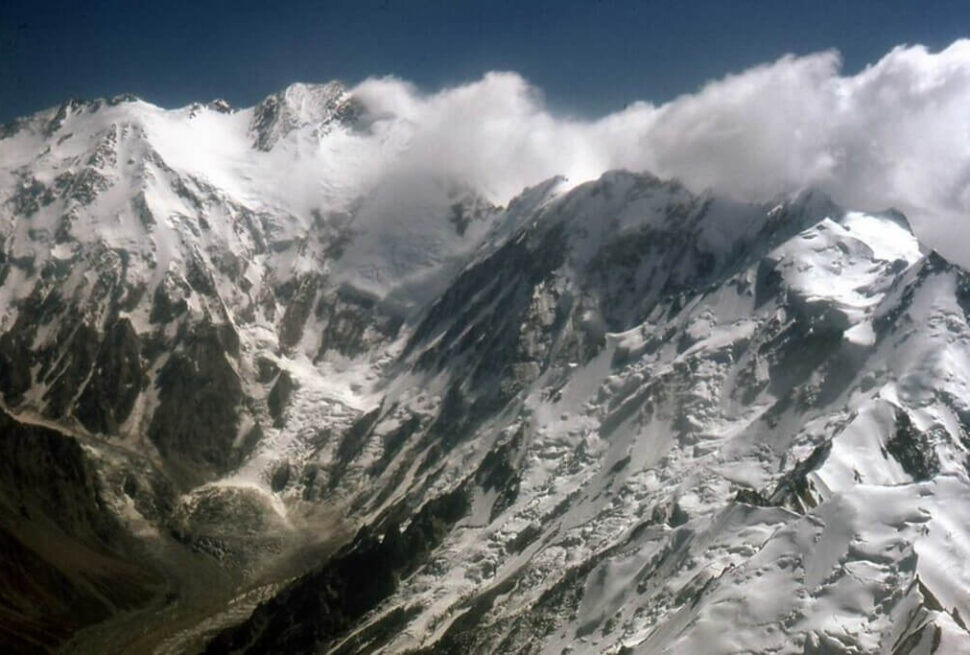
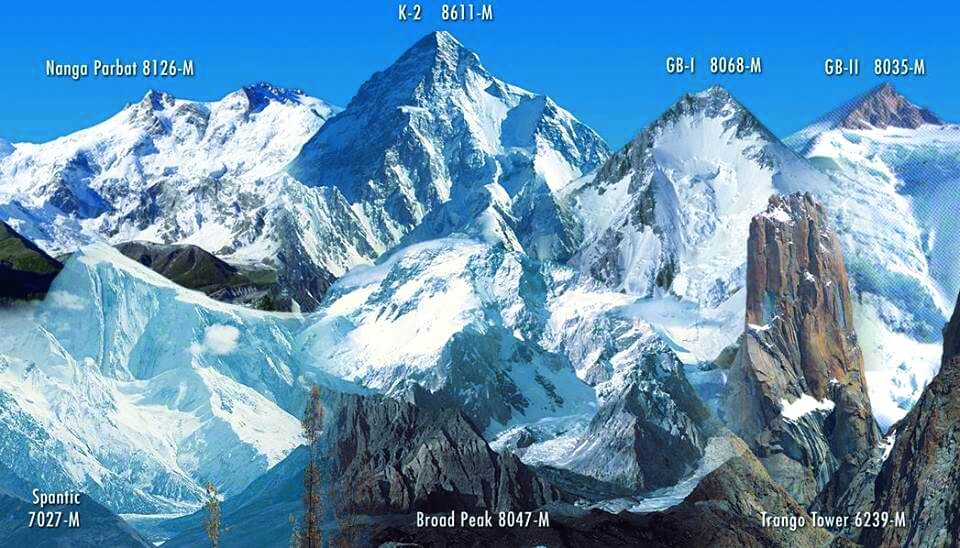
Nanga Parbat, famously known as the “Killer Mountain,” is the ninth-highest peak in the world and one of the most challenging mountains for climbers. Standing tall at 8,126 meters in the Gilgit-Baltistan region of Pakistan, it has a reputation for its steep slopes and unpredictable weather. For mountaineers seeking the thrill of high-altitude adventure, a Nanga Parbat expedition is a dream come true—but success requires careful planning and preparation. In this guide, we share essential Nanga Parbat expedition tips to help you prepare for a safe and memorable climb.
Why Nanga Parbat is a Unique Challenge
Nanga Parbat is part of the mighty Himalayas and is known for its massive vertical relief and rugged terrain. The mountain’s technical routes, extreme altitude, and frequent avalanches make it a serious challenge, even for experienced climbers. Unlike other peaks, Nanga Parbat requires not only physical strength but also mental resilience.
Because of its difficulty, expedition planning is critical. Climbers must be prepared for rapidly changing weather conditions, icy slopes, and high-altitude health risks like acute mountain sickness (AMS).
Essential Nanga Parbat Expedition Tips
1. Choose the Right Season
The best time for a Nanga Parbat expedition is June to August, when the weather is relatively stable, and snow conditions are manageable. Avoid attempting climbs in winter or early spring, as heavy snowfall and extreme cold increase the risk of avalanches.
2. Physical Fitness and Training
High-altitude mountaineering demands peak physical fitness. Prepare by:
- Cardiovascular exercises like running, cycling, or swimming.
- physical training that works the upper body, legs, and core..
- Endurance hikes with a loaded backpack to simulate expedition conditions.
Being physically fit helps you handle the strenuous climbs and reduces the risk of altitude-related complications.
3. Hire Experienced Guides and Support
Local guides in Gilgit-Baltistan are invaluable for navigating the challenging terrain. They provide:
- Route guidance and safety management.
- Porters for carrying essential gear.
- Emergency assistance in case of injuries or altitude sickness.
Professional support can significantly increase your chances of a successful Nanga Parbat expedition.
4. Prepare the Right Gear
Proper gear is essential for safety and comfort:
- Insulated mountaineering boots and crampons
- Ice axes and climbing ropes
- High-quality down jackets and thermal layers
- Tents, sleeping bags, and cooking equipment
- First aid kit and altitude sickness medication
Ensure that all equipment is tested before the climb. Lightweight, durable, and high-performance gear is key.
5. Acclimatization is Crucial
Rapid ascent can lead to serious health risks. Plan your climb to allow sufficient acclimatization days at various camps. Gradually increasing altitude helps your body adjust to lower oxygen levels and reduces the risk of AMS.
6. Stay Hydrated and Well-Nourished
High-altitude climbing consumes enormous energy. Drink plenty of water and eat high-calorie, nutrient-rich foods. Energy bars, nuts, and dehydrated meals are excellent for mountaineering expeditions.
7. Respect Local Culture and Environment
Nanga Parbat lies in remote areas with local communities who are welcoming and supportive. Respect their customs, follow sustainable practices, and avoid littering. Preserving the pristine beauty of this region ensures future generations can enjoy its splendor.
Additional Tips for a Successful Expedition
- Always check weather forecasts before attempting any summit push.
- Use satellite communication devices for emergency contact.
- Travel with a reliable team and maintain clear communication.
- Consider insurance for high-altitude mountaineering, as risks are significant.
Conclusion
A Nanga Parbat expedition is more than just a climb—it’s a test of endurance, skill, and determination. By following these expedition tips, climbers can maximize their safety and enhance their chances of a successful summit. With careful planning, physical preparation, and respect for the mountain and its people, conquering Nanga Parbat can become a life-changing adventure.
Whether you are an experienced mountaineer or a passionate adventurer, these Nanga Parbat expedition tips will help you embark on one of the most thrilling journeys in the world of high-altitude climbing.